
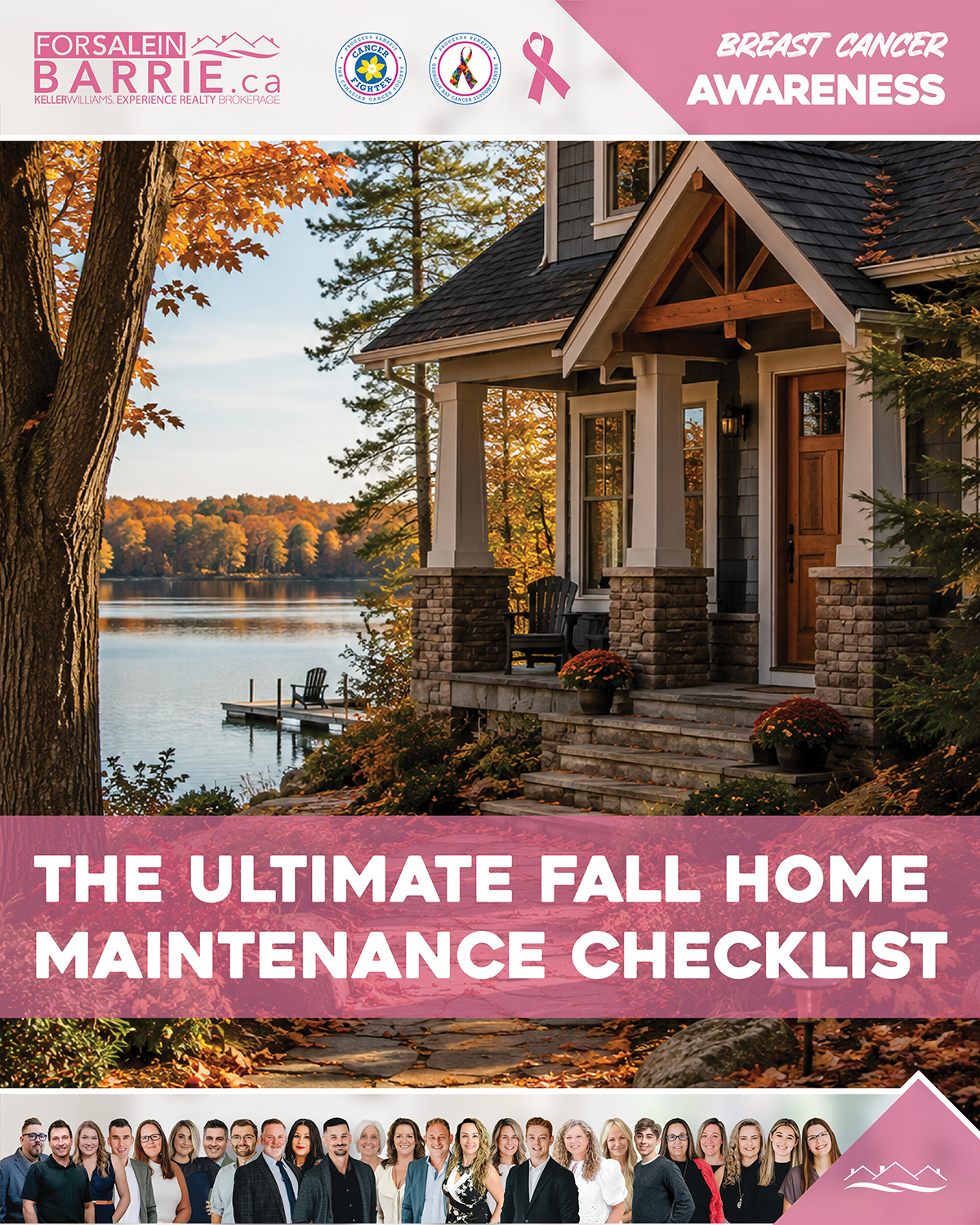
Get Your Home Ready for Winter
Fall in Barrie is a beautiful time of year. The trees turn golden, the air gets crisp, and Lake Simcoe takes on a different kind of charm as the summer crowds begin to thin out.
But as much as we enjoy the changing seasons, Ontario homeowners know what comes next: freezing temperatures, snow, ice and the occasional winter storm that makes us wish we had tackled a few jobs earlier!
Whether you own a family home in Barrie, a property near the shores of Lake Simcoe or a rural home in the surrounding area, a little preparation in the fall can help protect your property, improve comfort and prevent some costly surprises when winter arrives.
Here’s our ultimate fall home maintenance checklist to help you get your home winter-ready.
1. Clean Your Eavestroughs Before They Freeze
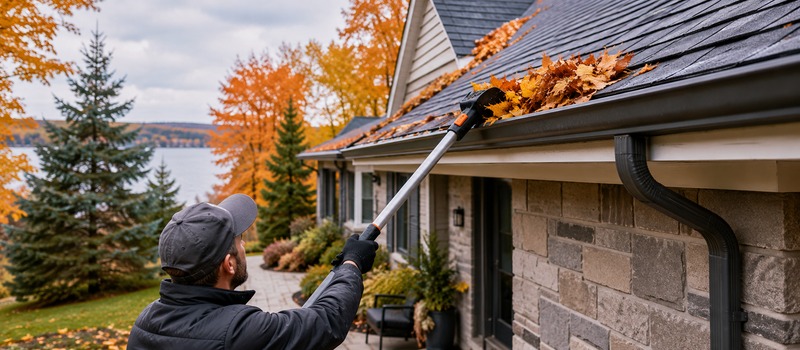
Those colourful autumn leaves look fantastic on the trees, but they’re less welcome when they end up clogging your eavestroughs.
As leaves, twigs and other debris accumulate, they can prevent rainwater and melting snow from draining properly. When temperatures drop, trapped water can freeze, potentially contributing to ice buildup and water damage.
Before winter sets in:
- Remove leaves and debris from eavestroughs and downspouts.
- Check that downspouts direct water away from your home’s foundation.
- Look for loose brackets, sagging sections or visible damage.
- Make sure water can flow freely away from the property.
If your home is surrounded by mature trees, you may need to check your eavestroughs more than once throughout the fall.
A quick safety reminder: Use the right equipment and avoid climbing onto a roof or working at height if you’re not comfortable doing so. A professional can help with jobs that require specialist equipment or experience.
2. Seal Up Drafts Before They Steal Your Heat
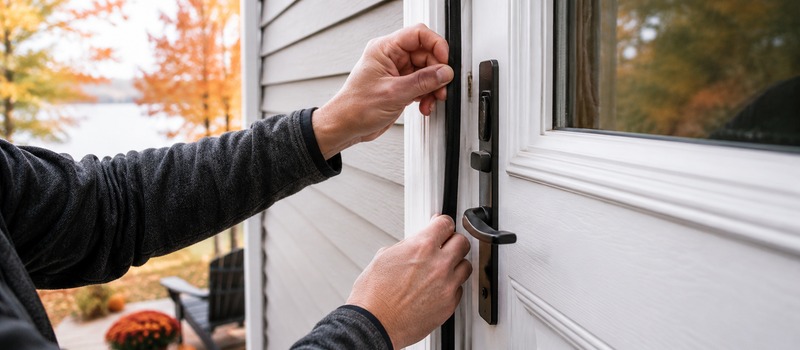
When the temperature drops in Barrie, small gaps around doors and windows can make a noticeable difference to your comfort.
Drafts can allow warm air to escape and cold air to enter, making your heating system work harder than necessary. Before you reach for the thermostat, take a walk around your home and look for areas where cold air might be getting in.
Pay attention to:
- Weatherstripping around exterior doors.
- Gaps around window frames.
- Cracks around exterior penetrations, such as pipes and cables.
- Basement windows and doors leading to garages.
- Worn seals around frequently used entrances.
Replacing damaged weatherstripping or sealing suitable gaps can be a relatively simple way to improve comfort during the colder months.
Just remember that homes need appropriate ventilation. Seal unwanted drafts without blocking required vents or ventilation openings.
3. Give Your Furnace a Little Love
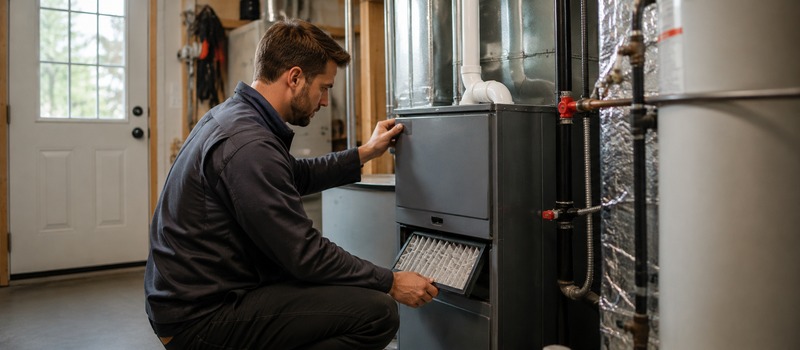
Your furnace is about to become one of the hardest-working systems in your home. A little attention before the first cold snap can help you avoid discovering a problem on the coldest night of the year.
Before winter arrives:
- Check your furnace filter and replace it when needed.
- Make sure supply and return vents are clear of furniture and other obstructions.
- Test your thermostat and heating system.
- Listen for unusual noises and watch for changes in performance.
- Arrange professional servicing if it’s due or you have concerns about how the system is operating.
If your home uses a heat pump, boiler or another heating system, follow the manufacturer’s maintenance recommendations.
It’s also worth checking smoke alarms and carbon monoxide alarms, particularly before you begin using your heating system regularly.
A little preparation now can mean a much more comfortable winter later.
4. Disconnect Garden Hoses and Protect Outdoor Plumbing
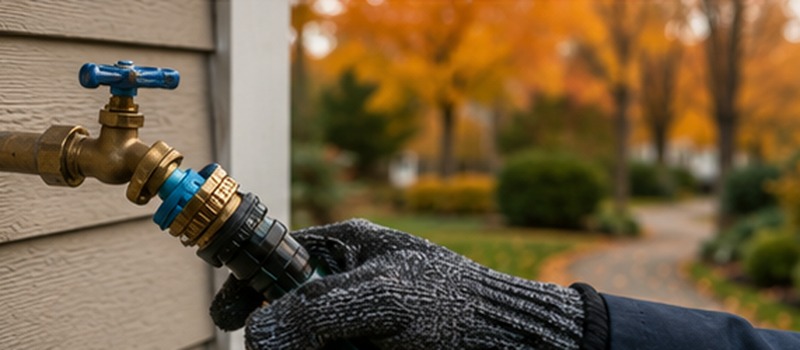
Outdoor taps and plumbing can be vulnerable when temperatures fall below freezing. Water left inside a connected garden hose or exposed pipework can freeze and potentially cause damage.
Before the first hard freeze:
- Disconnect garden hoses from outdoor taps.
- Drain and store hoses somewhere protected.
- Shut off and drain indoor shut-off valves serving exterior taps, where your plumbing system allows it.
- Follow the manufacturer’s instructions for frost-free outdoor faucets.
- Check exposed plumbing in garages, crawl spaces or other vulnerable areas.
If you’re unsure how your outdoor plumbing should be winterized, ask a qualified plumber for advice.
This is particularly important for rural properties and homes with outbuildings, workshops or plumbing that may be exposed to colder conditions.
5. Tidy the Yard Before the Snow Takes Over
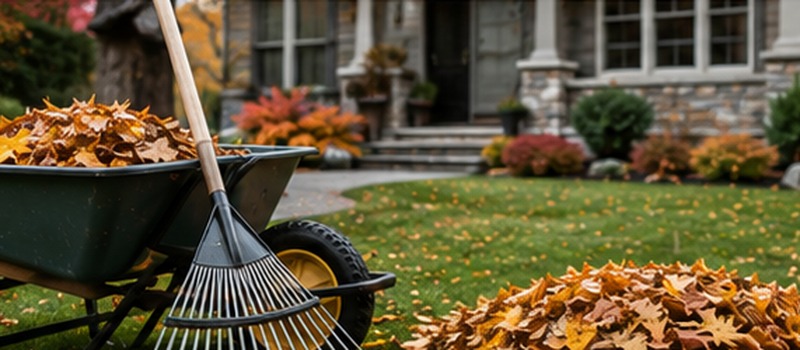
Once the snow arrives, outdoor jobs become a little more complicated. Fall is the ideal time to get your yard in order and prepare outdoor equipment for the months ahead.
Start with the basics:
- Rake or mulch fallen leaves as appropriate for your lawn and garden.
- Clear leaves and debris away from exterior vents and window wells.
- Store patio furniture, cushions and other seasonal items.
- Drain and store garden hoses.
- Put away tools and inspect outdoor equipment before storage.
- Trim damaged branches and address any obvious hazards.
- Check that water drains away from the house rather than collecting near the foundation.
If you have a lawn irrigation system, arrange for it to be winterized according to the manufacturer’s recommendations.
For homeowners with larger yards or rural properties around Barrie, this can also be a good opportunity to prepare outdoor equipment and make sure snow-clearing tools are easy to access.
6. Check Your Roof Before Winter Does
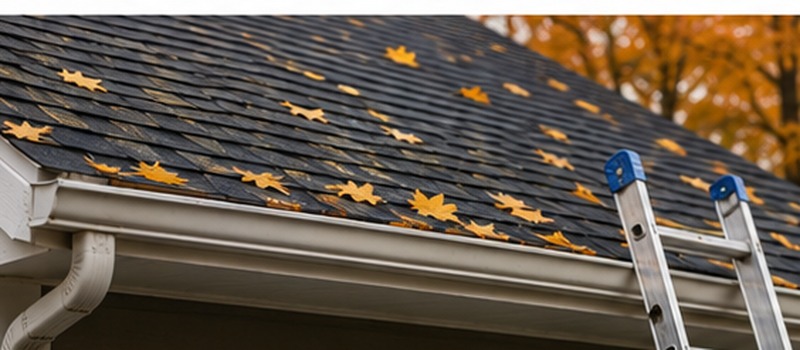
Your roof is your home’s first line of defence against snow, freezing rain and winter storms. Autumn is a good time to look for visible signs of wear before conditions make repairs more difficult.
From the ground, check for:
- Missing, curling or damaged shingles.
- Loose or damaged flashing around chimneys and roof penetrations.
- Sagging eavestroughs or visible drainage problems.
- Tree branches hanging close to the roof.
- Signs of water staining on ceilings or upper-floor walls.
Inside, take a look at accessible attic spaces for signs of moisture, staining or unusual dampness.
Not every roof problem is visible from the ground, and climbing onto a roof can be dangerous. If you spot anything concerning, consider arranging a professional inspection.
Addressing small issues before winter weather arrives may help prevent more extensive damage later.
7. Get Fireplaces and Wood Stoves Ready
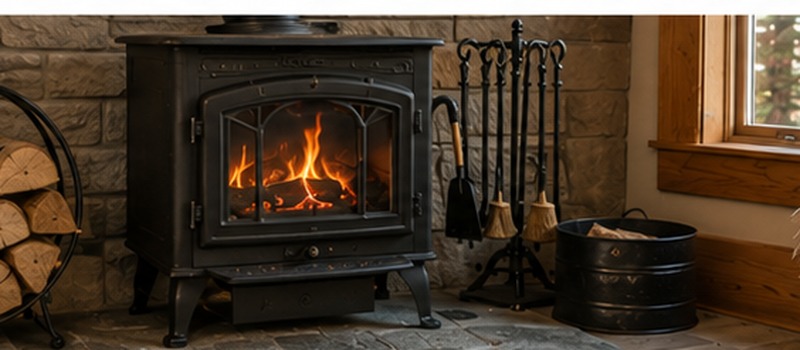
There’s something wonderful about settling in for a cold evening with a fire burning. Before you make that first winter fire, however, make sure your fireplace, chimney or wood stove is ready for use.
Your checklist should include:
- Having chimneys and flues inspected and cleaned when needed by a qualified professional.
- Checking that dampers operate properly.
- Making sure fireplace doors and seals are in good condition.
- Keeping combustible materials away from the fireplace or stove.
- Storing firewood in a suitable location, away from the home where practical.
- Testing smoke and carbon monoxide alarms.
If you use a wood-burning appliance, follow its operating and maintenance instructions carefully. Never burn unsuitable materials, and make sure ashes are completely cool before disposal in an appropriate metal container.
For homes with fireplaces or wood stoves, this is one maintenance job worth prioritizing before the first chilly evening tempts you to light a fire.
8. Don’t Forget Your Driveway and Walkways
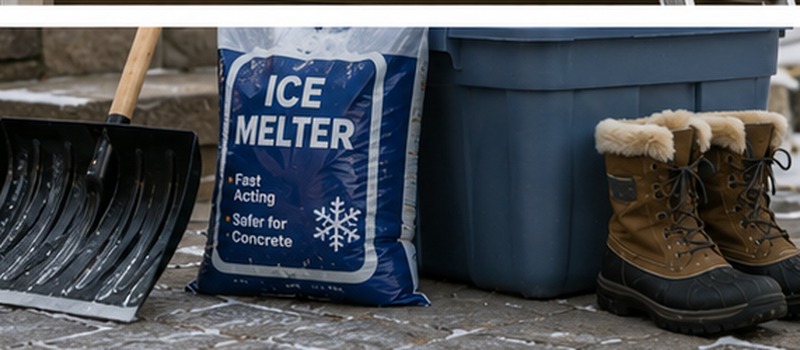
Barrie’s winter weather can bring snow, freezing rain and icy conditions, sometimes in quick succession. Preparing your driveway and walkways in the fall can make those first winter storms much easier to manage.
Before the snow arrives:
- Inspect walkways and steps for loose stones, uneven surfaces or trip hazards.
- Check exterior lighting around entrances and pathways.
- Make sure your snow shovel and other winter equipment are accessible.
- Stock up on an appropriate ice-melting product.
- Check that your snowblower is working properly, if you use one.
- Make sure drains and low spots are clear of leaves and debris.
If you have a long driveway or a property with multiple entrances, think about where snow will be cleared and stored without blocking access or drainage.
A little preparation can make winter mornings safer and less stressful.
A Few Extra Tips for Barrie and Lake Simcoe Homeowners
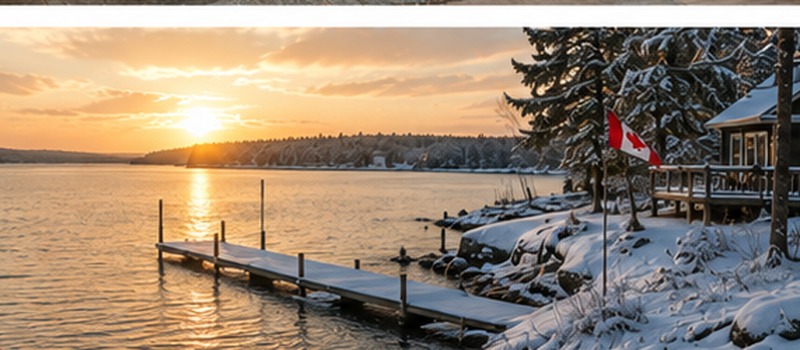
Every home has its own maintenance needs, but local conditions can make certain jobs especially important.
Waterfront Properties Around Lake Simcoe
Living near Lake Simcoe offers a wonderful lifestyle, but waterfront homes may face additional exposure to wind, moisture and changing winter conditions.
Before the colder weather arrives:
- Inspect exterior finishes, caulking and seals around windows and doors.
- Check decks, stairs, railings and other outdoor structures for visible wear.
- Secure or store outdoor furniture and seasonal equipment.
- Follow appropriate winter preparation procedures for docks, lifts and other waterfront equipment.
- Check that drainage around the home is working as intended.
If you own a seasonal waterfront property, review your winterization plans carefully. Plumbing, heating, security and moisture management may need particular attention if the home will be left unoccupied for extended periods.
Rural Properties and Larger Lots
For homes outside the city or on larger properties around Simcoe County, fall maintenance may involve a few additional considerations.
Make sure outdoor taps, exposed pipes and outbuildings are protected against freezing. Check access routes, exterior lighting and equipment used for snow clearing. If your property relies on a private well or septic system, follow the relevant maintenance guidance for those systems.
Get Ready for Snow and Ice
Winter conditions can arrive quickly across the Barrie area. Keep an eye on weather forecasts and make sure winter essentials are ready before you need them.
It’s much easier to find the shovel, check the snowblower or stock up on ice melt in October than during the first major snowfall of the season!
Your One-Weekend Fall Home Maintenance Checklist
Want to get ahead without feeling overwhelmed? Save this checklist and work through it over a weekend or spread the tasks across a few evenings.
- Clean eavestroughs and check downspouts.
- Inspect doors and windows for drafts.
- Check the furnace filter and test your heating system.
- Disconnect garden hoses and prepare outdoor taps.
- Clear leaves and tidy the yard.
- Check the roof and exterior for visible damage.
- Arrange fireplace or chimney maintenance if required.
- Test smoke and carbon monoxide alarms.
- Prepare your driveway, walkways and winter equipment.
- Check waterfront, rural or seasonal-property requirements, where applicable.
You don’t need to complete everything in one go. Start with jobs that protect your home from water and freezing temperatures, then work through the remaining tasks as time allows.
A Little Preparation Goes a Long Way
Fall is a great time to enjoy Barrie and the Lake Simcoe area, but it’s also an opportunity to give your home some attention before winter settles in.
From cleaning eavestroughs and sealing drafts to checking your heating system and preparing for snow, a little maintenance now can help you head into the colder months feeling more confident.
And if you’re unsure where to start, prioritize anything that could lead to water damage, freezing pipes or a loss of heating. For specialist work, bring in a qualified professional before winter conditions make the job more difficult.
At For Sale In Barrie, we know that homeownership is about more than buying or selling a property. It’s about looking after the place you call home, season after season.
Need advice about your home or thinking about making a move in the Barrie area? We’d love to help.